
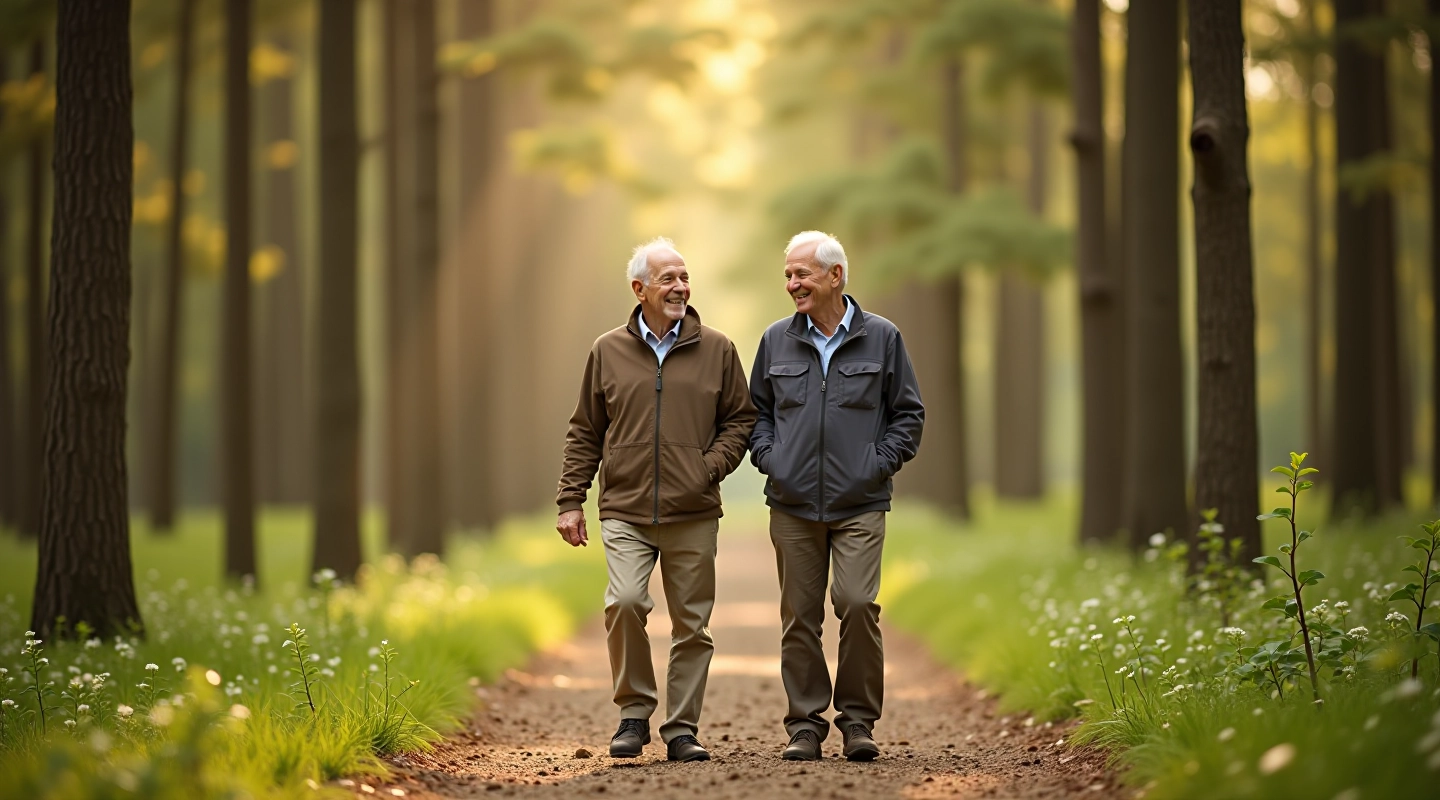
Pine Trail Loop — The Beginner's Route
A gentle 2-kilometer walk through the main mineral forest. Mostly flat with benches along the way.
What makes these springs special and why they've drawn visitors for centuries
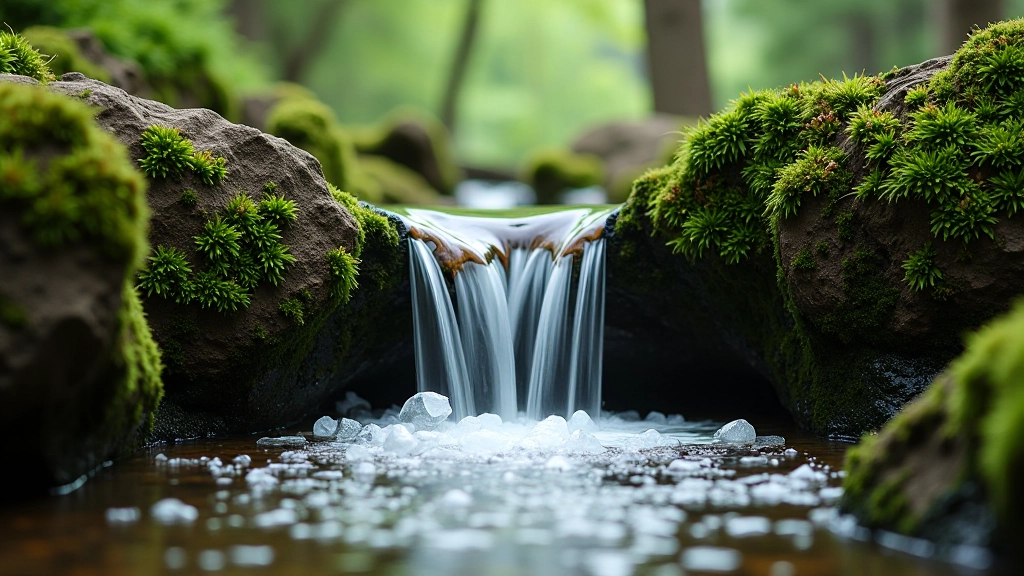
Birštonas sits quietly in western Lithuania, where mineral springs have been bubbling up from the earth for thousands of years. These aren't ordinary springs — the water carries minerals picked up from deep underground, giving it properties that locals and visitors have valued for generations. We're going to explore what makes these waters special, how they're actually used, and why the seasonal timing matters if you're planning a visit.
The springs here aren't a secret anymore, but they're also not overcrowded. That balance is part of the appeal. You'll find people of all ages — serious wellness enthusiasts, casual visitors, families enjoying the forest. It's the kind of place where you can do as much or as little as you want.
The mineral composition is what makes Birštonas different from regular spring water. As water filters through layers of rock and soil over many years, it dissolves minerals like sodium, calcium, magnesium, and lithium. That's not made-up stuff — it's actual geology at work.
The concentration matters. Some springs here are more mineral-rich than others. The main mineral water sources contain roughly 1,500 milligrams per liter of dissolved solids. To put that in perspective, that's higher than most bottled mineral waters you'd find in shops, but it's not so concentrated that it tastes unpleasant. In fact, people often describe it as having a clean, slightly earthy taste.
Key minerals found in Birštonas springs:
Now, we're not saying the water will cure anything. That's not how it works. What we're saying is that people have used mineral-rich water as part of their wellness routines for centuries. Whether you're visiting for a bath or just curious about the science, understanding what's in the water helps you appreciate why these springs have such a long history.
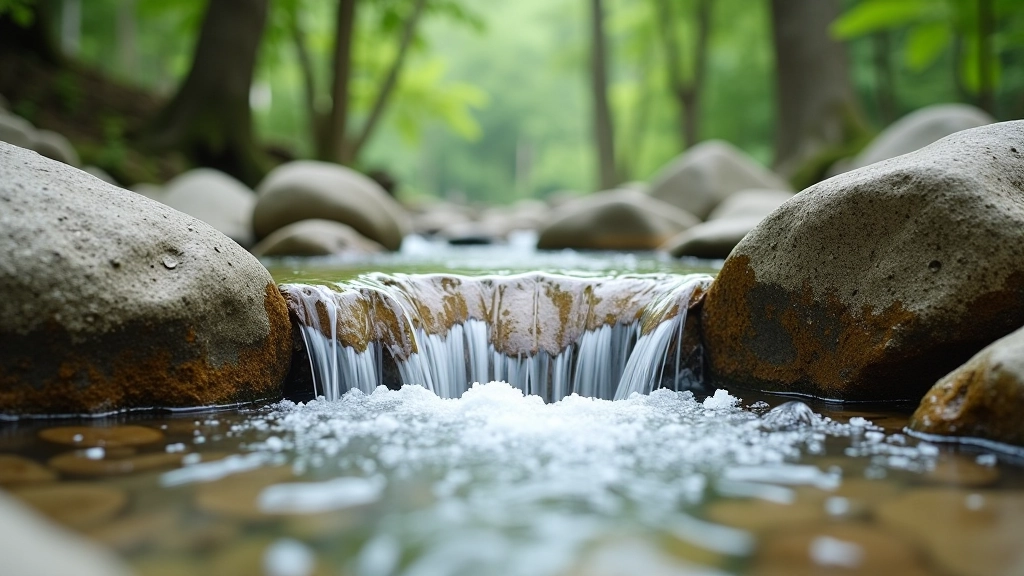
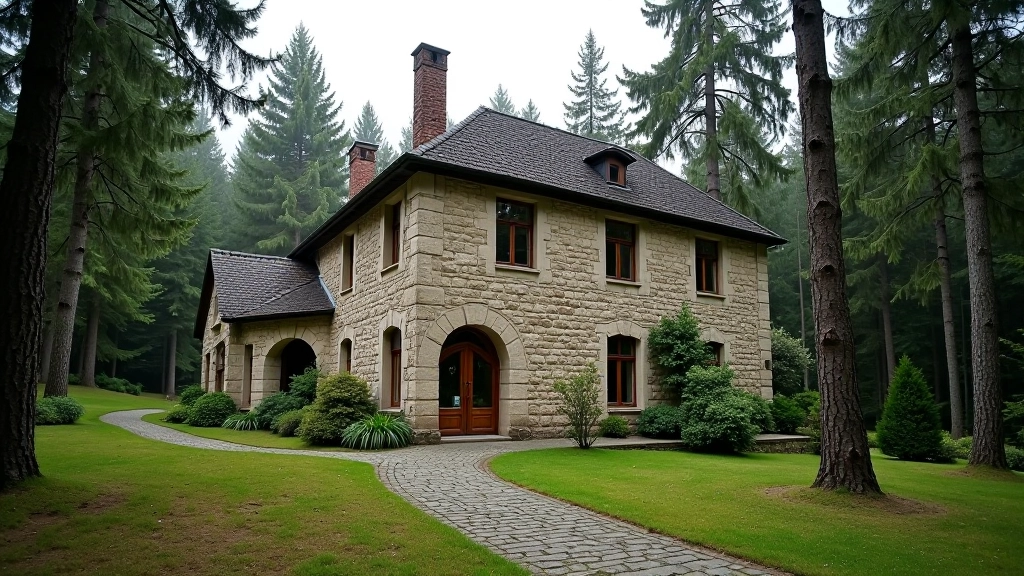
Birštonas wasn't always famous. In the early 1900s, locals knew about the springs, but they weren't a major destination. Then someone decided to build proper bathing facilities. By the 1930s, the town had developed into a spa resort that attracted people from across Lithuania and neighboring regions. The infrastructure grew — bath houses, accommodation, walking paths through the forest.
The springs didn't disappear during difficult periods, and they're still here now. What's changed is how people use them. Modern visitors tend to focus on the wellness aspect — soaking, walking through the therapeutic forest environment, breathing the clean air. It's less about treating specific conditions and more about maintaining overall wellbeing.
The local community understands that these springs are valuable. They've maintained the facilities, kept the forest paths accessible, and generally made sure the environment stays welcoming. You don't need a reservation or special permission to visit — it's a public wellness resource.
The experience changes completely depending on when you visit. This isn't just about weather — it's about how the forest and facilities function across the year. Summer brings peak crowds. That's not necessarily bad — the weather's reliable, paths are clearly maintained, and you'll find other visitors to chat with. But it does mean earlier mornings if you want a quieter experience.
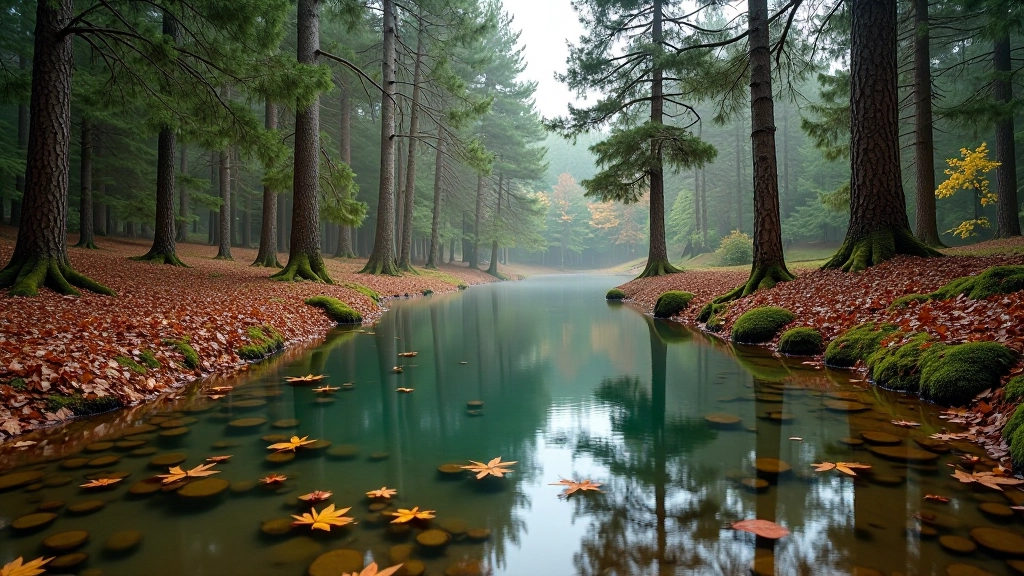
Spring and autumn are often recommended by locals who've been visiting for years. Spring (April–May) brings wildflowers and birdsong. The forest is waking up. Sections of the path can be muddy, though, so waterproof footwear helps. Autumn (September–October) offers that golden light through the trees and comfortable temperatures for walking. Fewer tourists. The air feels cleaner somehow.
Winter visits are possible but require different planning. Some facilities operate year-round, but hours change and paths can be icy. You'll need appropriate clothing — it gets cold in Lithuania. But if you're there, you'll have the place almost entirely to yourself, and there's something peaceful about soaking in warm mineral water while snow falls around you.
Wildflowers, mild temperatures, muddy sections on trails
Warm, full forest canopy, busiest period, reliable weather
Golden light, comfortable walking temperatures, fewer crowds
Quiet, cold, icy paths, limited facility hours, peaceful

First thing: bring your own towel or rent one at the facility. You'll want something to dry off with, and it's cheaper than buying a new one. Bring flip-flops or water shoes — the stone paths around the baths can be slippery when wet. A robe or quick-dry clothing makes the experience easier.
Don't rush into the water. It's warmer than you'd expect — the natural temperature is around 30–35 degrees Celsius depending on the spring. That sounds comfortable, but it can be a shock to your system if you dive in. Wade in gradually. Give yourself 10–15 minutes to acclimate.
Sessions typically last 20–30 minutes. Longer than that and you might feel lightheaded — the minerals and warmth work together. It's not harmful, but it's a signal your body's had enough. Drink water beforehand and afterward. The mineral content in the spring water is good, but you still need plain hydration.
Plan to spend at least half a day if you're coming from elsewhere. Walk the forest paths, soak, relax afterward. Rushing through defeats the purpose. Many visitors find that an afternoon or morning session, combined with a forest walk, gives them the full experience. It's not about intensity — it's about consistency and being present.
Birštonas mineral waters aren't a cure-all. They're not a replacement for medical treatment or fitness routines. What they are is a well-established wellness resource that people have found genuinely useful for over a century. The minerals are real. The therapeutic forest environment is real. The experience of soaking in warm water surrounded by pine trees is real.
The combination matters more than any single element. You're not just getting mineral water — you're getting movement (the forest paths), fresh air, relaxation, and time away from screens and noise. Those things together add up to something worth traveling for.
If you're thinking about visiting, go in the season that fits your schedule and preferences. Don't expect transformation. Do expect a peaceful afternoon, clean air, and a sense of participating in something people have been doing for generations. That's the real value of Birštonas.
Author
Editorial Team
Written by the Birštonas Wellness editorial team, focused on practical, easy-to-follow guidance for therapeutic forest walks and mineral spring trails.
Choose activities that match your fitness level, check local conditions before travelling, and speak with your GP if you have health concerns before starting a new activity. The information provided here is educational and informational in nature. Always prioritize your safety and wellbeing.
A gentle 2-kilometer walk through the main mineral forest. Mostly flat with benches along the way.
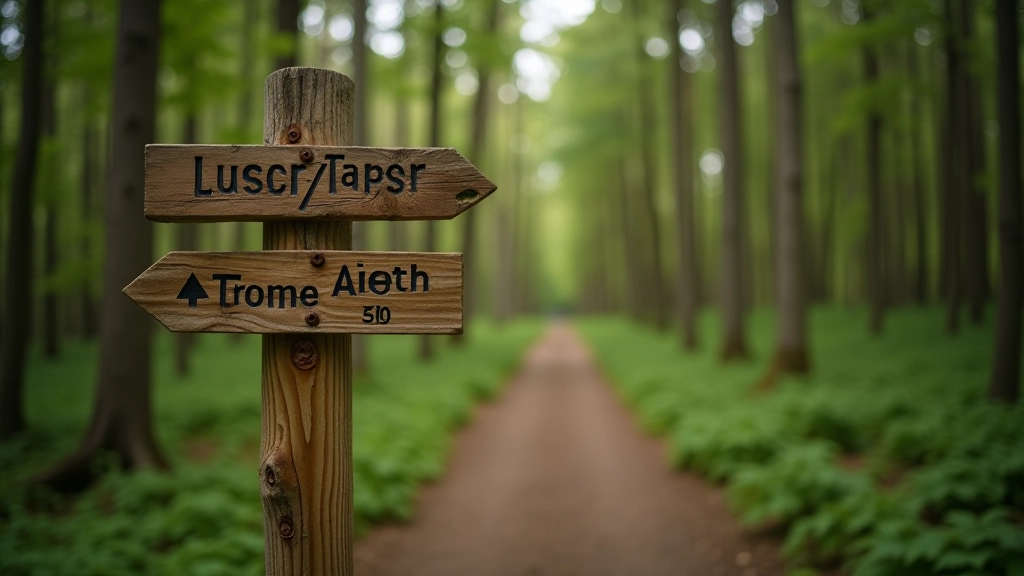
How to find your way. Detailed explanation of signage system, GPS coordinates for main trailheads.
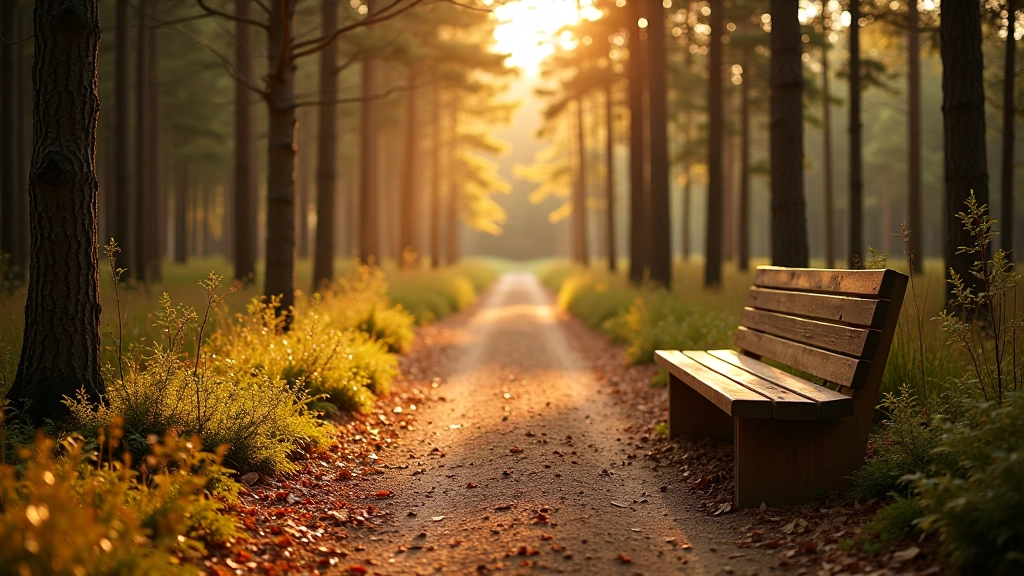
Spring brings wildflowers and muddy sections. Summer offers full canopy shade. Autumn is golden.