
Pine Trail Loop — The Beginner's Route
A gentle 2-kilometer walk through the main mineral forest
Mostly flat with benches every 300 meters. Takes about 45 minutes at a relaxed pace. Perfect for those getting started with therapeutic forest walking.
What You'll Experience
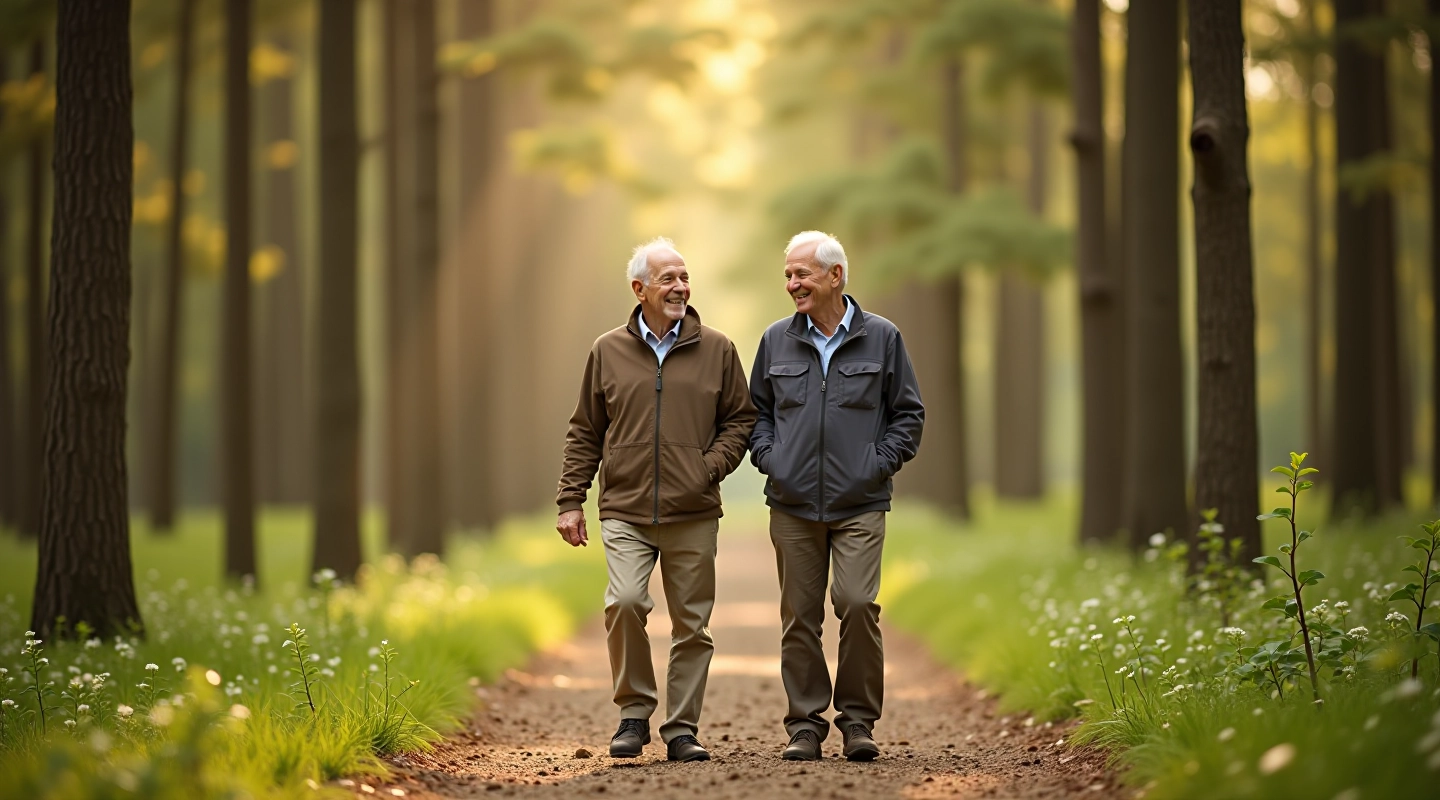
The Pine Trail Loop is one of Birštonas's most accessible routes, and it's where most people start their forest walking journey. You're not dealing with steep climbs or challenging terrain — just a well-maintained path that winds through centuries-old pine forest. The mineral-rich air here isn't a marketing thing; it's real. The forest floor releases compounds as you walk, and you'll notice the difference in how you breathe.
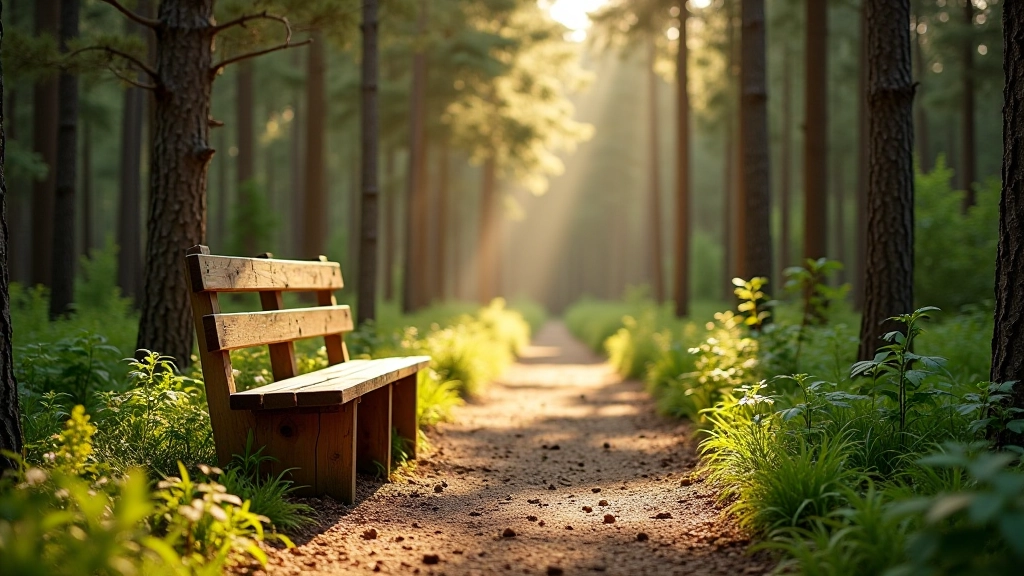
What makes this route special is the pacing. There's no rush. Benches are positioned roughly every 300 meters, so you can rest whenever you need to. Many people stop halfway through and spend 10 minutes just sitting, listening to the trees. That's completely fine — that's the whole point.
Route Basics
Distance and time aren't just numbers here — they tell you what to expect. The loop covers 2 kilometers, which sounds modest until you actually walk it. You're not power-walking; you're taking your time, absorbing the environment. At a relaxed pace, you're looking at 45 minutes to an hour. Some people finish in 35 minutes. Others take 75. It depends entirely on how many times you stop to breathe, rest, or just stand still.
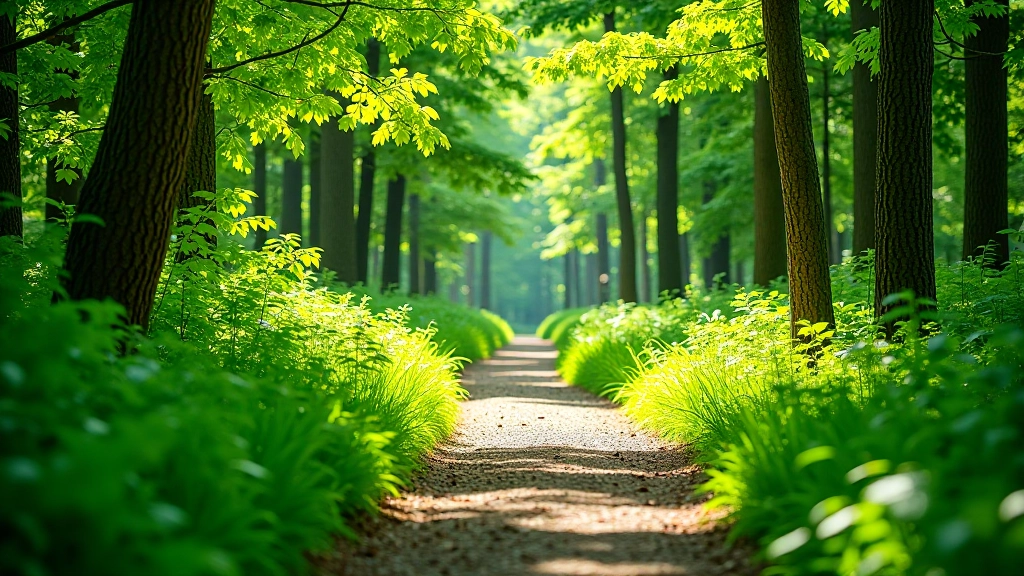
The elevation change is minimal — we're talking about 30 meters of elevation gain across the entire loop. Minimal doesn't mean flat, but it means you won't feel your legs screaming at you. The path itself is gravel and packed earth, well-maintained year-round. In winter, the forest service keeps it clear. Spring brings mud in a few spots, but nothing that'll stop you.
- Starting point: Main wellness pavilion (free parking)
- Rest benches: 6-7 positioned throughout the loop
- Restrooms: At the start and halfway point
- Water fountain: Available at the pavilion
Ground Conditions Throughout the Year
This is where real-world information matters. Summer is straightforward — dry, firm gravel, clear visibility. You'll be comfortable in regular walking shoes. Spring's different. March through May, expect muddy patches. Nothing dramatic, but you'll want proper footwear with grip. The good news is it's only the first 500 meters and a small section near the halfway point.
Autumn is honestly the best time to walk this route. September and October bring cooler temperatures, the forest smells incredible, and the ground is dry. Fall leaves create a visual experience that summer doesn't match. Winter isn't impossible — the forest service maintains the path — but icy patches can form in shaded areas. Many walkers actually prefer winter because there are fewer insects and the air feels sharper.
Pro tip: The best time to visit is late September through early October. Moderate temperatures, dry ground, and the forest is absolutely stunning.
What to Bring and How to Prepare
You don't need much, honestly. A bottle of water is essential — you'll walk for 45 minutes and you'll want hydration. Bring more than you think you need; dehydration sneaks up on you. A light snack is smart too. Walkers often bring an apple or a small sandwich and eat it on one of the benches. That's completely normal here.
Shoes matter more than people think. You're not climbing mountains, but you are walking on uneven terrain for nearly an hour. Regular trainers work fine if they have decent ankle support. If you've got proper walking shoes or hiking boots, even better. The gravel can shift, especially if you've got balance concerns, so footwear with grip is genuinely important.
Clothing should match the season. Layers work better than a single heavy jacket because you'll warm up as you walk. A lightweight windbreaker for spring and autumn is usually enough. In summer, breathable clothing and a hat for sun protection. Winter requires proper insulation, obviously.
Water & Hydration
Minimum 500ml bottle. Bring more if it's warm.
Proper Footwear
Walking shoes or trainers with ankle support and grip.
Light Snack
Apple, banana, or sandwich for energy halfway through.
Seasonal Layers
Hat, light jacket, or windbreaker depending on weather.

Walking Tips for Beginners
Small adjustments make a big difference in comfort and enjoyment
Start Slow
Don't try to set a speed record. The first 10 minutes are your warm-up. Your body will settle into a rhythm naturally. You'll feel it when your breathing becomes steady.
Use the Benches
That's why they're there. There's no prize for not stopping. Rest whenever you feel like it. Ten minutes sitting in the forest beats limping through the final kilometer.
Time Your Walk
Early morning or late afternoon are best. You'll avoid midday heat in summer, and the forest light is stunning. Plus, fewer people means more peace and quiet.
Pay Attention to Your Body
If something hurts, stop. Sharp pain isn't normal; mild muscle fatigue is. You're building strength, not proving anything. Listen to what your body's telling you.
Breathe Deliberately
Slow, deep breathing improves oxygen intake and keeps you calm. The mineral-rich air here makes this even more beneficial. In through your nose, out through your mouth.
Go with Someone
Walking with a friend or family member makes it more enjoyable and safer. You've got someone to talk to, and if something happens, you're not alone.
Your First Walk Starts Here
The Pine Trail Loop isn't about achievement. It's not about finishing fast or walking the most kilometers. It's about stepping into the forest, breathing properly, and letting your body move at its own pace. You'll notice things — the sound of birds, the way light filters through the branches, how the ground feels under your feet. That's the real value here.
Most people who start with this route come back. Some walk it twice a week. Others discover they're ready for slightly longer routes after a few visits. But plenty just keep walking the Pine Trail Loop because it's exactly what they need. There's no right answer. There's only what works for you.
So pick a morning, bring some water, put on your walking shoes, and head to the main pavilion. The forest is waiting. It's been waiting for you.
Important Notice
Choose activities that match your fitness level. Check local conditions before traveling — weather can change the path conditions, especially in winter and spring. If you have any health concerns, speak with your GP before starting a new walking activity. The Pine Trail Loop is accessible and well-maintained, but individual fitness levels vary. Walk at your own pace and don't hesitate to turn back if you're uncomfortable.
Birštonas Wellness Editorial Team
Editorial Team
Written by the Birštonas Wellness editorial team, focused on practical, easy-to-follow guidance for therapeutic forest walks and mineral spring trails.
Related Guides
Understanding Birštonas Mineral Waters
What makes these springs special. Information about mineral composition, history...
Read Guide
Route Navigation & Trail Markers
How to find your way. Detailed explanation of signage system, GPS coordinates fo...
Read Guide
Seasonal Walking Tips — What Changes Throughout the Year
Spring brings wildflowers and muddy sections. Summer offers full canopy shade. A...
Read Guide