
Seasonal Walking Tips — What Changes Throughout the Year
Spring brings wildflowers and muddy sections. Summer offers full canopy shade. Autumn shows colors but needs careful footing. Winter requires different planning. Here's what you need to know for each season.
Why Seasonal Changes Matter
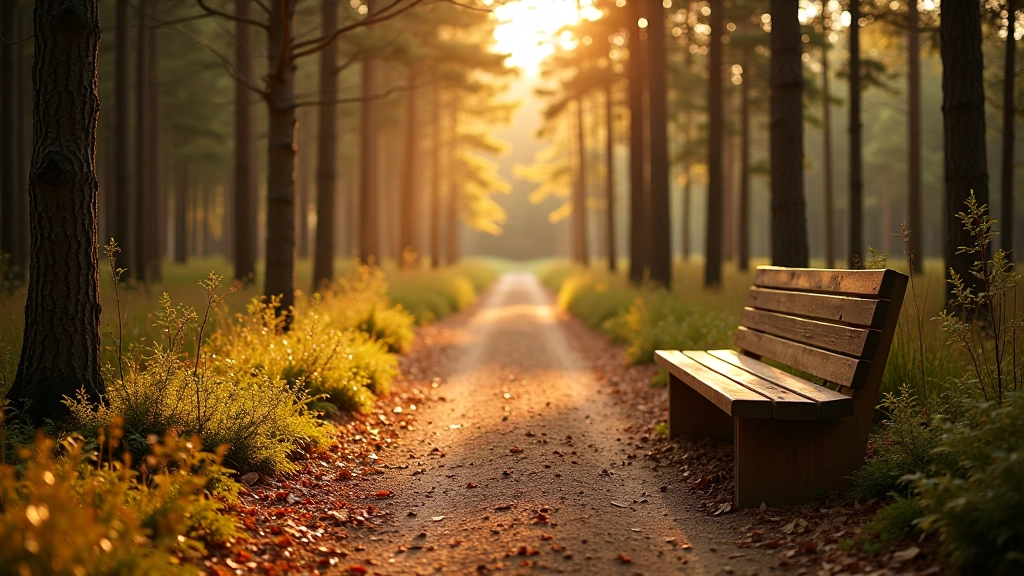
The forest isn't the same from January to December. It's not just prettier in different seasons — the actual walking experience changes. Footing, visibility, weather, and what you'll see all shift. If you've been walking the same route for years, you might not realize you're adjusting your pace and technique without thinking about it.
Understanding these shifts helps you walk safer and more comfortably. You'll know what to expect, what gear to bring, and when routes might need extra care. It's not complicated. Just practical knowledge that makes your walks better.
Spring
Watch for muddy patches and new growth overhead.
Summer
Full shade but higher temperatures and insects.
Autumn
Stunning colors but slippery leaves on paths.
Winter
Shorter daylight and potentially icy surfaces.
Spring: New Growth & Wet Ground
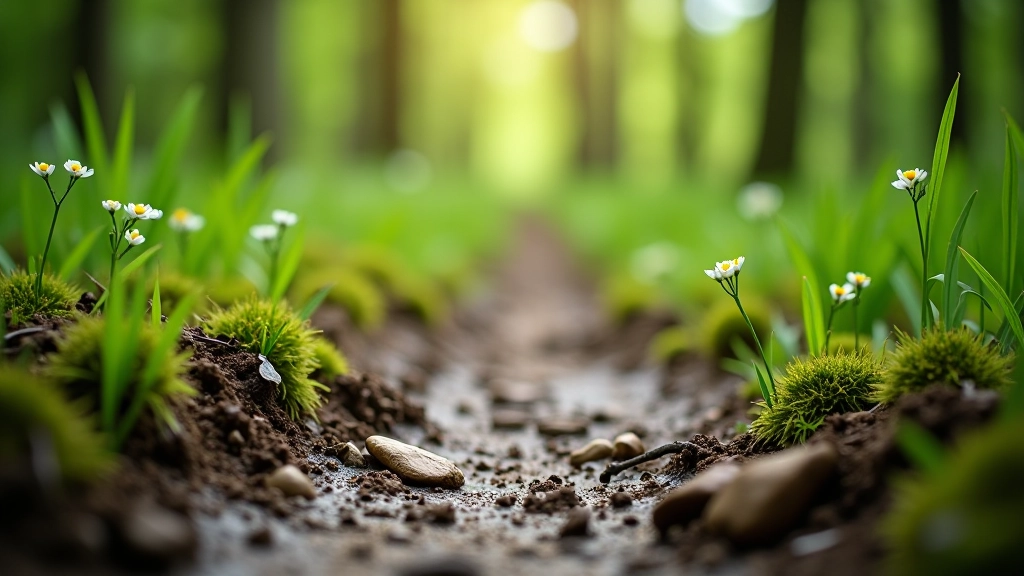
March through May transforms the forest. Trees are budding, wildflowers start appearing along the edges, and the whole place feels alive again. But here's the thing — the ground is wet. Snow's melting, there's been rain, and trails have soft patches you won't find later in the year.
What Changes Underfoot
Expect muddy sections, especially where water collects naturally. Some areas stay boggy through April. The mineral spring paths near Birštonas stay relatively firm because of the drainage, but the wider forest routes? You'll sink in places. That's why proper footwear matters. Waterproof shoes or hiking boots with grip — not regular walking shoes.
What to Bring
- Waterproof jacket (rain's common in spring)
- Proper hiking boots or waterproof shoes with grip
- Extra socks — you might get your feet wet
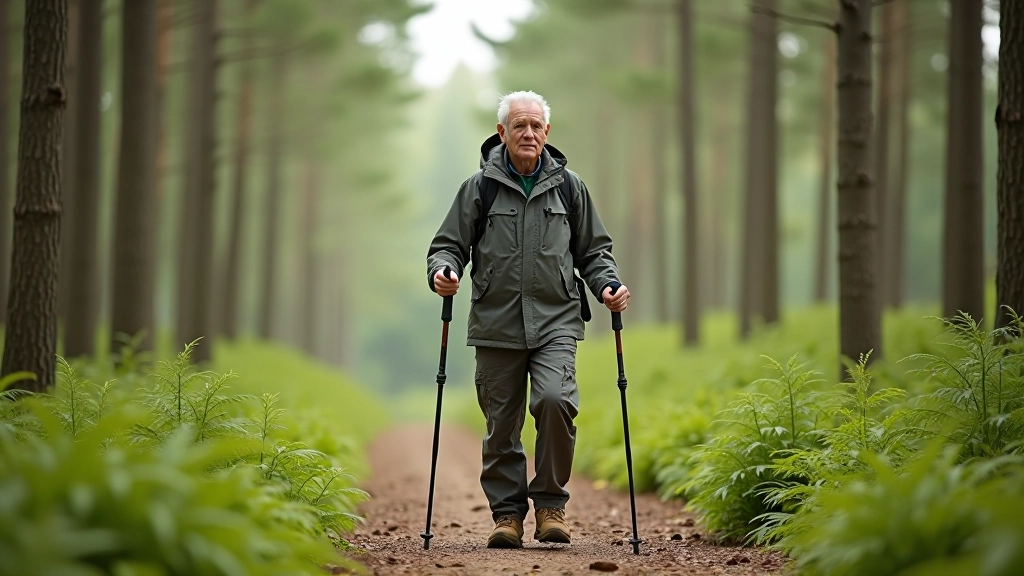
- Walking poles help on slippery sections
Pace yourself. Muddy ground is harder on your knees and hips because you're working to keep your footing. A 2-kilometer route in spring takes longer than it does in July. That's okay. Give yourself time.
Summer: Heat & Full Shade
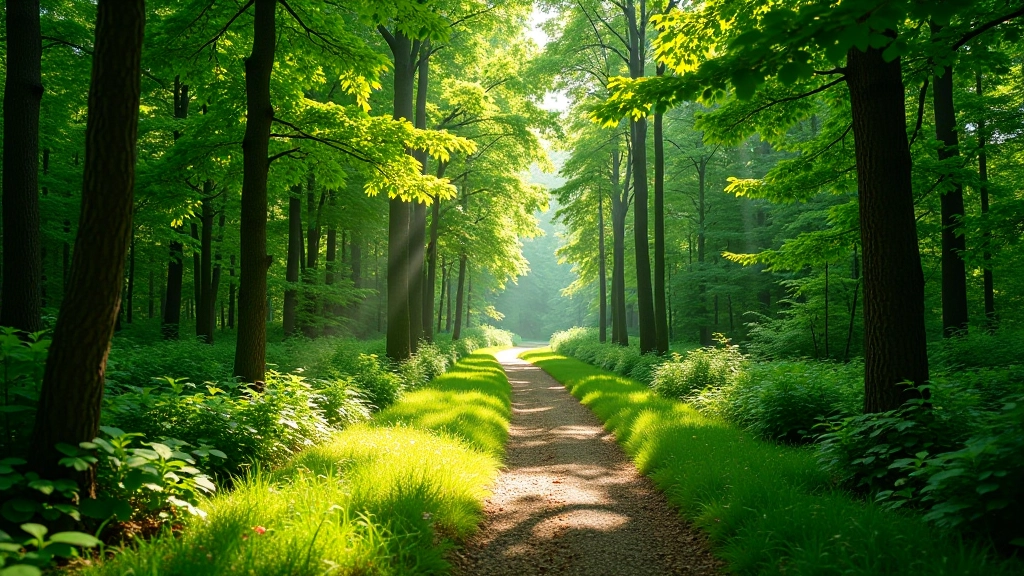
June through August is when the forest gives you what it does best — complete shade. The canopy is thick. You're walking under a green roof. The paths are dry, firm, and easy to navigate. No mud, no slippery leaves. This is when most people walk these routes because conditions are straightforward.
The Actual Challenge
It's not the walking that's hard — it's the heat. Even under shade, summer means higher temperatures. You're working in humidity. The shade helps, but you're still warm. And insects are active. Mosquitoes near any damper areas, sometimes midges. The mineral spring areas stay cooler because water moderates temperature, which is one reason they're popular in summer.
Practical Tips
- Start walks early (before 10 AM) to avoid peak heat
- Bring more water than you think you'll need
- Lightweight, breathable clothing — avoid cotton
- Consider insect repellent if you're sensitive
- Regular shoes work fine now — the ground's solid
Summer routes feel easiest, but don't rush. The shade and solid footing make it tempting to walk faster than you normally would. Keep your regular pace. Your body doesn't need the extra effort.
Autumn: Colors & Slippery Surfaces
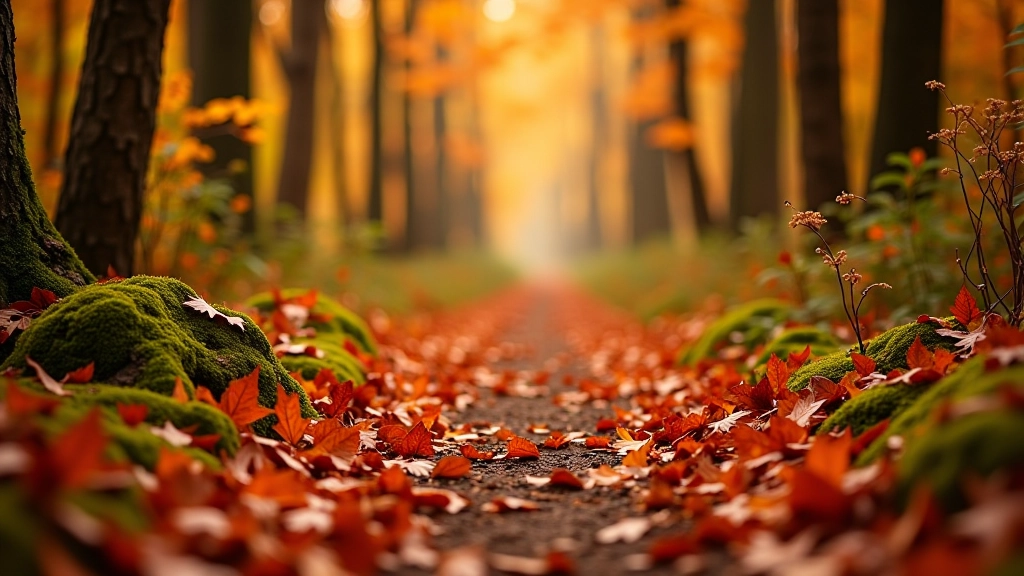
September through November is spectacular. Leaves turn, light changes, air cools. The walking itself? That's where you need to pay attention. Fallen leaves cover the path. They look beautiful and create a carpet, but underneath they're hiding uneven ground, roots, and rocks. Plus they're slippery when damp, which they often are in autumn.
Hidden Hazards
A twisted ankle in autumn often happens because someone's foot catches on something under the leaf litter. You can't see tree roots or stones. The leaves are doing their job — decomposing — which means they're wet underneath. Wet leaves on a slope? Genuinely slippery. This is when walking poles become less optional. They give you stability and let you feel what's underfoot before you step fully.
What Helps
- Walking poles (seriously, use them in autumn)
- Boots with good ankle support
- Slow your pace — take smaller steps
- Watch where your feet land, not just the scenery
- Go out in daylight hours (sunset happens early)
Autumn routes are worth it for the experience. Just walk consciously. Don't get lost in the colors and forget that the path is more demanding. It takes practice to walk safely in leaf-covered terrain.
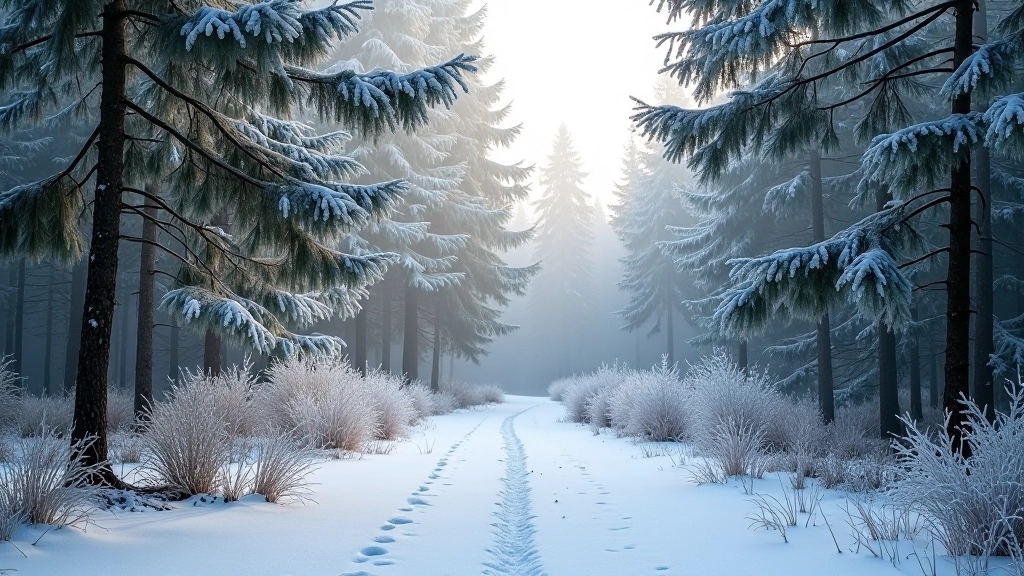
Winter: Short Days & Potential Ice
December through February is quiet. Fewer people are out. The forest's different without leaves — more open, quieter, colder. This is when daylight becomes your main constraint. Sunset happens around 4 PM in January. If you want to walk when it's light, you've got a narrow window. That matters because walking in darkness, even on a familiar route, changes everything.
Ice & Frost Hazards
Winter paths can ice over. Not always, but when temperatures drop below freezing and there's been moisture, paths become genuinely slippery. Frost on a wooden boardwalk section? You're walking on an ice rink. This is when proper footwear is non-negotiable. Regular shoes won't work. You need boots with real grip, ideally with microspikes or cleats if conditions are icy.
Winter Walking Strategy
- Walk during daylight hours only — no exceptions
- Check weather and path conditions before you go
- Wear winter boots with proper grip
- Dress in layers — you'll warm up quickly
- Consider skipping walks if paths are genuinely icy
- Tell someone where you're going
Winter isn't the best time for casual walks. But if you're committed to year-round activity, winter walking is doable with proper planning. The Birštonas mineral spring paths often stay more navigable because the mineral water affects local conditions. But don't assume that — check conditions.
Transitions: The In-Between Months
March, May, August, and November are transition months. Conditions change rapidly. You might have winter one week and spring the next. This is when you need to be flexible. Check conditions before you walk. What worked last week might not work this week.
Late Winter → Spring
Ground transitions from frozen to muddy. Some days feel like winter, others like spring. Waterproof boots are your friend. Conditions improve as the season moves forward, but be patient with the process.
Late Spring → Summer
Paths dry out. Insects become more active. Temperature climbs. The shift happens gradually. By mid-June, you're fully into summer conditions. These weeks are actually ideal — dry ground but not yet peak heat.
Late Summer → Autumn
Leaves start falling in August. By September it's noticeable. Temperatures drop, humidity decreases. Insect pressure eases. Early autumn often feels perfect — cool but not cold, leaves but not overwhelming cover.
Late Autumn → Winter
Frost appears. Days get short fast. By December you're definitely in winter mode. This transition is quick — sometimes just a few weeks between comfortable autumn and genuinely cold conditions.
Practical Year-Round Approach
You don't need to stop walking when seasons change. You just need to adjust. Here's what actually matters across the year.
Gear Investment
One good pair of waterproof hiking boots with ankle support works spring, autumn, and winter. Summer can be regular shoes. Walking poles help autumn and winter most. A lightweight waterproof jacket handles spring and autumn showers. You don't need seasonal wardrobe changes — just smart basics that handle multiple conditions.
Pacing Strategy
Your speed should adjust with conditions. Spring's muddy ground and autumn's slippery leaves demand slower pace. Summer's firm, dry paths let you walk faster if you want, but there's no reason to push. Winter's short daylight and potential ice mean going slower, not farther. Consistency matters more than speed.
Route Flexibility
The mineral spring routes stay more accessible year-round because they're maintained and better drained. Wider forest routes change character with seasons. Pick routes that match conditions. Winter? Stick to main paths. Spring? Accept muddy sections as normal. Autumn? Go slow on leaf-covered sections.
Written by the Birštonas Wellness editorial team, focused on practical, easy-to-follow guidance for therapeutic forest walks and mineral spring trails.
Related Articles

Pine Trail Loop — The Beginner's Route
A gentle 2-kilometer walk through the main mineral forest. Mostly flat with benches for resting.
Read Article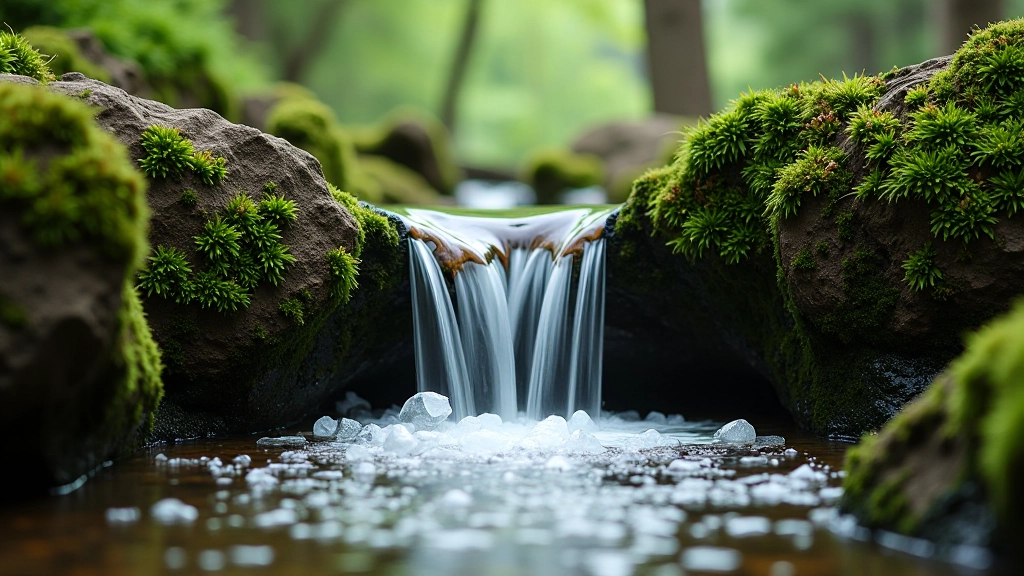
Understanding Birštonas Mineral Waters
What makes these springs special. Information about mineral composition and historical significance.
Read Article
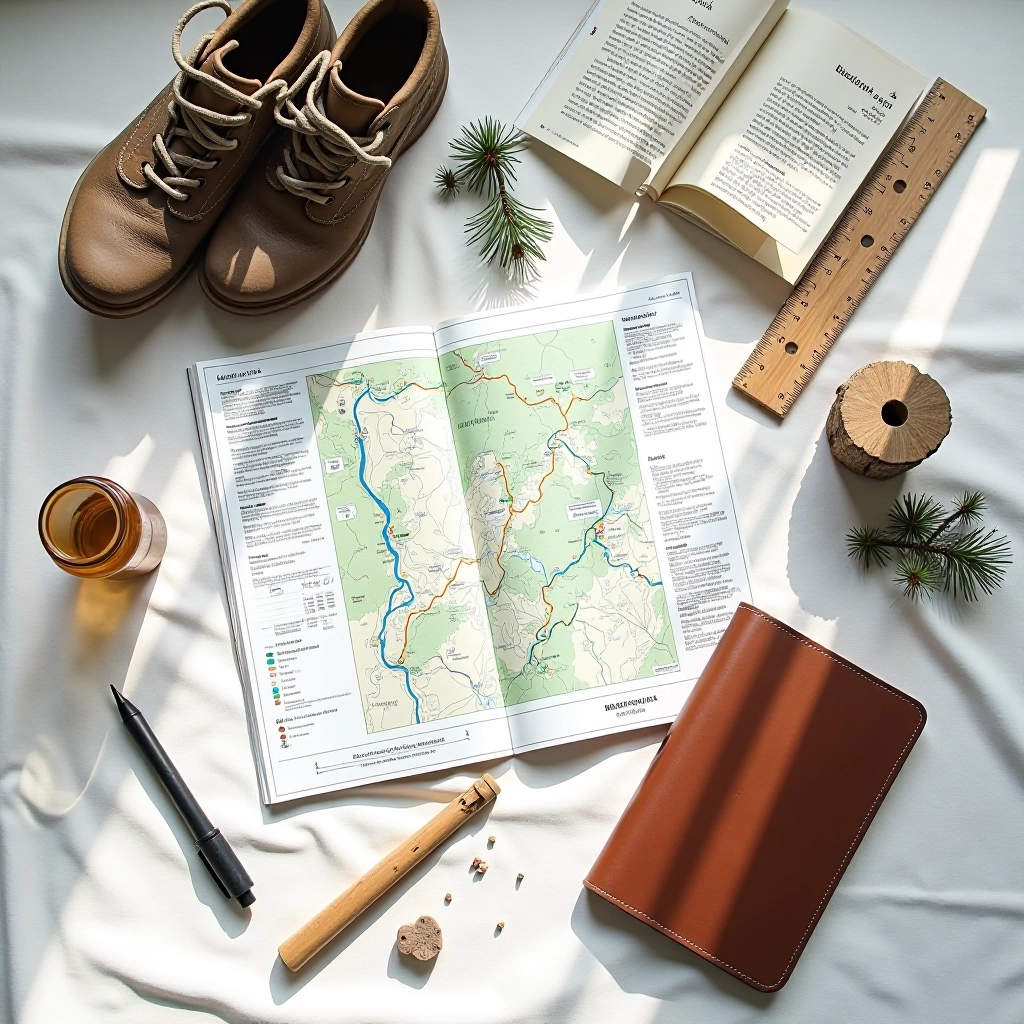
Route Navigation & Trail Markers
How to find your way. Detailed explanation of signage system and navigation tips.
Read ArticleImportant Disclaimer
Choose activities that match your fitness level, check local conditions before traveling, and speak with your GP if you have health concerns before starting a new activity. Weather and trail conditions change throughout the year and throughout the day. Always check current conditions before heading out, bring proper gear for the season, and turn back if conditions become unsafe.